ที่มา ไทยรัฐ ออนไลน์
กินเจ
กินเจ1 หรือ กินผัก ภาษาจีนเรียกว่า “เก้าอ๊วงเจ” หรือ “กิวอ๊วงเจ” เป็นประเพณีที่ปฏิบัติสืบต่อกันมาของ คนไทยเชื้อสายจีนทางฝั่งทะเลตะวันตก โดยเฉพาะในจังหวัดภูเก็ต ตรัง กระบี่ และพังงา โดยจะประกอบพิธี 9 วัน เริ่มตั้งแต่วันขึ้น 1 ค่ำ ถึงขึ้น 9 ค่ำ เดือน 9 ของจีน ซึ่งตรงกับเดือน 11 ของไทย
ประวัติความเป็นมา
ประเพณีกินเจเชื่อกันว่าเริ่มขึ้นที่ประเทศจีน โดยมีความเชื่อต่างกันเป็น 2 กระแส คือ 1) เชื่อว่าประเพณีนี้เริ่ม ขึ้นในมณฑลกังไส โดยขณะที่มณฑลกังไสกำลังประสบปัญหาจากภัยธรรมชาติอย่างรุนแรง เซียนวิเศษผู้หนึ่งจึงแนะนำวิธีสะเดาะเคราะห์คือ ให้ชาวเมืองประกอบพิธีกินผักหรือกินเจขึ้นเพื่อเป็นการป้องกันให้รอดพ้นจากภัยธรรมชาติ อีกทั้งเป็นการชำระจิตใจให้บริสุทธิ์ และระลึกถึงดวงวิญญาณบรรพบุรุษที่ตนเคารพ และ 2) เชื่อว่า ประเพณีเริ่มขึ้นที่เมืองเอ้หมึง มณฑลฮกเกี้ยน โดยกำเนิดขึ้นในช่วงกษัตริย์ราชวงศ์ซ้ององค์สุดท้ายได้ทำอัตวินิบาตกรรม (การฆ่าตัวตาย) ตอนเสด็จหนีภัยสงคราม ต่อมาราชวงศ์หยวนขึ้นปกครองจีน ชาวจีนจึงจัดพิธีกรรมนี้ขึ้นซึ่งเป็นต้นกำเนิดของประเพณีกินเจ
สำหรับประเพณีกินเจในภาคใต้ เชื่อกันว่าเริ่มขึ้นที่ภูเก็ตเป็นแห่งแรก โดยเฉพาะที่อำเภอกะทู้ ซึ่งเป็นบริเวณที่มีคนจีนเข้ามาอยู่อาศัยกันเป็นจำนวนมาก และชาวจีนไม่ว่าอยู่ที่ใดก็เคร่งครัดในขนบประเพณี ด้วยเหตุนี้ชาวจีนที่อำเภอกะทู้ จึงมีประเพณีไหว้พระจันทร์ ไหว้เจ้า ตลอดจนการกินเจ เมื่อได้ประกอบพิธีนี้อยู่ 2-3 ปี ก็มีผู้ศรัทธามากขึ้น เนื่องจากเห็นว่าโรคภัยไข้เจ็บต่าง ๆ ที่เคยมีกลับลดน้อยลงไปชาวอำเภอกะทู้จึงได้ประกอบพิธีกินเจแบบสมบูรณ์ตามพิธีในมณฑลกังไส ประเทศจีน
การประกอบพิธีกรรม
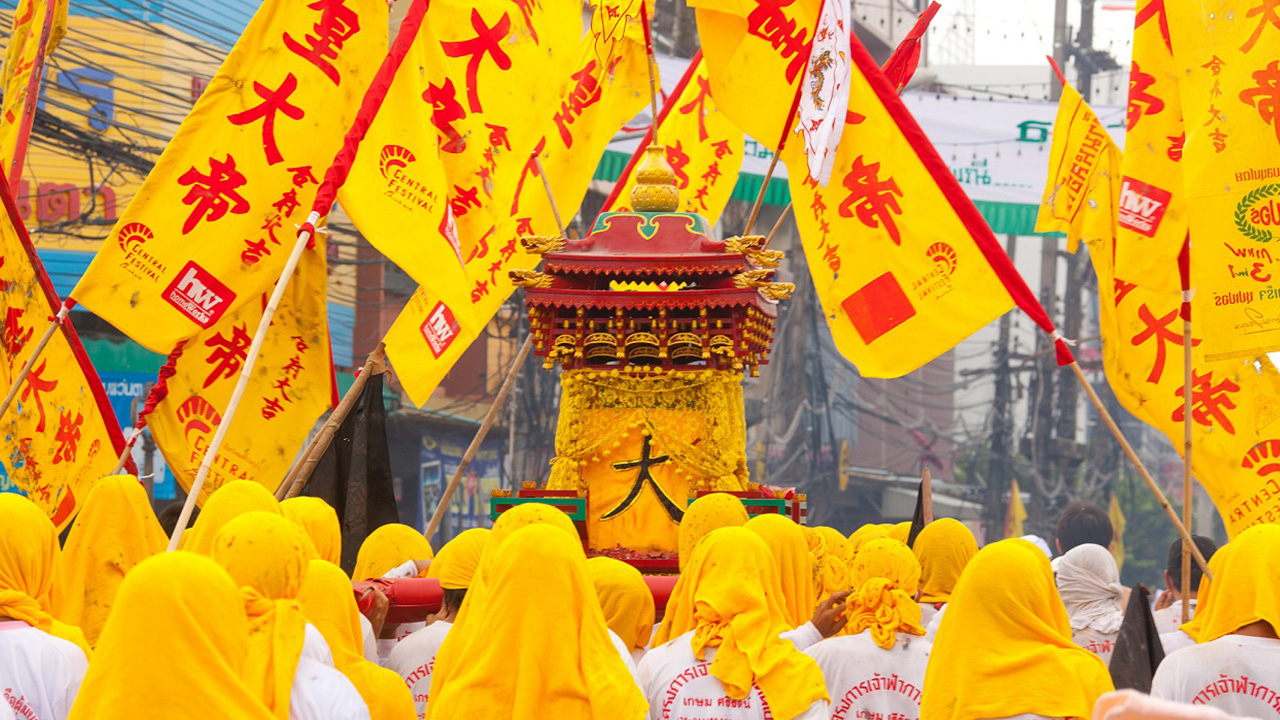
ก่อนพิธีหนึ่งวัน จะมีการทำความสะอาดศาลเจ้ารมกำยานไม้หอม และมีการยกเสาธงหลังจากทำพิธีรับเจ้ามา เป็นประธานในศาลแล้ว ก็ทำพิธีวางกำลังทหารรักษาการณ์ตามทิศเรียกว่า “พิธีปังเอี๋ย” หรือ “ปังกุ้น” พิธีนี้จะใช้ธงสีต่าง ๆ ปักเป็นสัญลักษณ์ การวางกำลังทหารถือเอาตามสมัยซ้อง และในช่วงเวลาทำพิธี 9 วันจะมีพิธีย่อย ๆ หลายอย่าง ได้แก่ พิธีบูชาเจ้า พิธีโขกุ้น พิธีซ้องเก็ง พิธีบูชาดาว พระออกเที่ยวหรือการแห่เจ้า การลุยไฟ พิธีโก๊ยห่าน และพิธีส่งพระ เป็นต้น
บรรยากาศทั่ว ๆ ไปในพิธีกินเจ
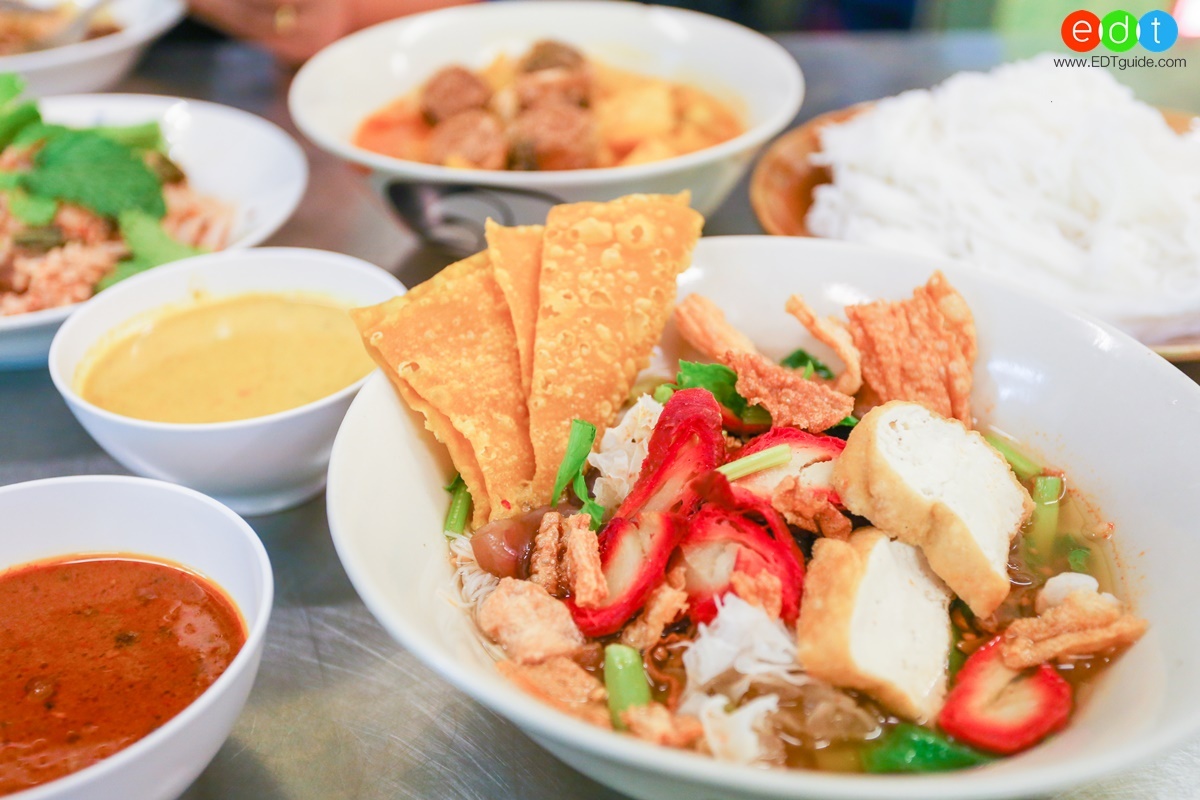
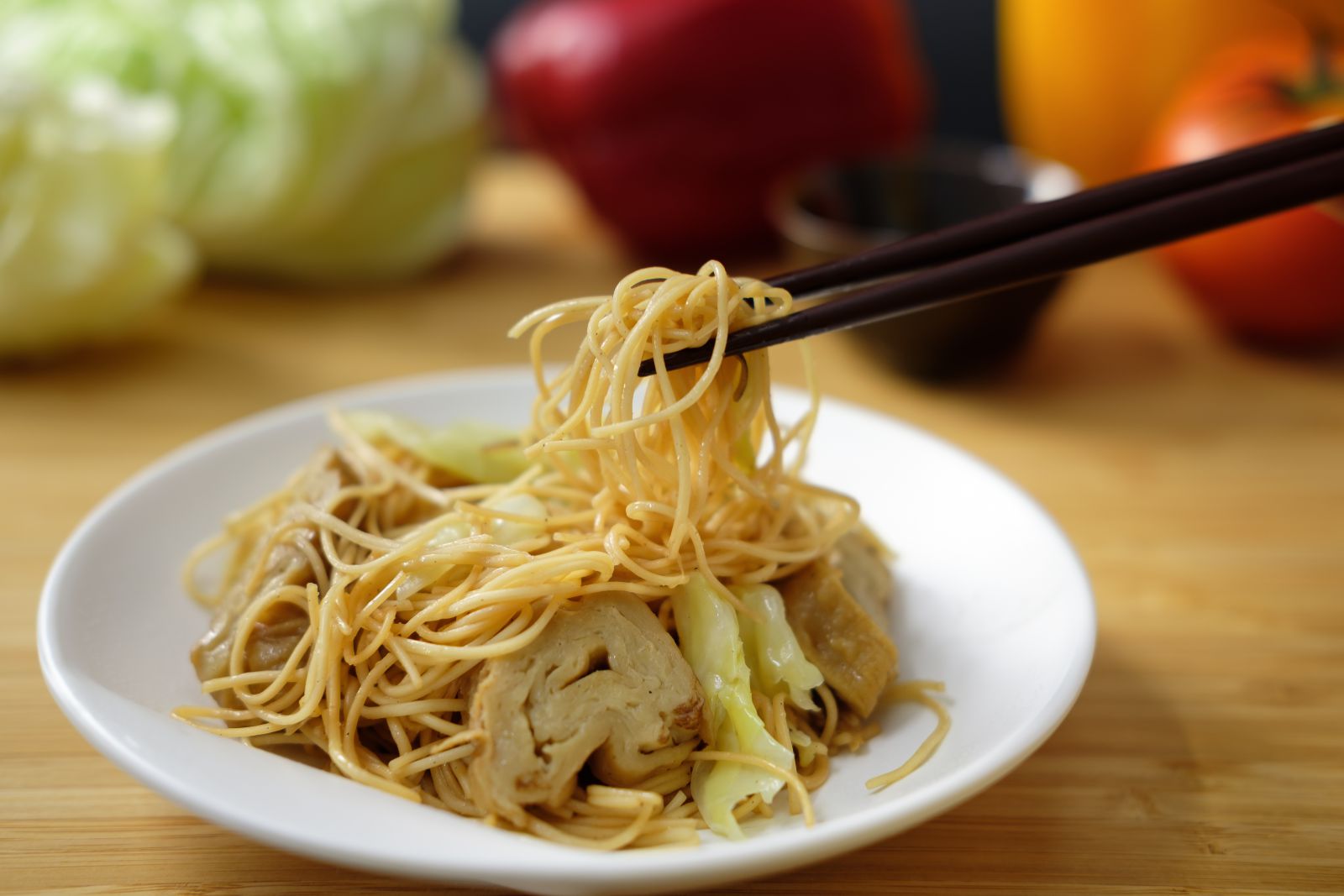
เมื่อวันกินเจเริ่มขึ้น ผู้คนที่ร่วมพิธีจะล้างทำความสะอาดอุปกรณ์ที่จะใช้ประกอบอาหารจนสะอาดหมดกลิ่นคาว บ้างก็ใช้ภาชนะชุดใหม่ในการประกอบอาหาร ในช่วงกินเจนี้ผู้ที่เคร่งครัดในพิธีจะแต่งกายด้วยเสื้อผ้าสีขาวตลอดทั้ง 9 วัน โดยโรงครัวของศาลเจ้าแต่ละแห่งจะทำหน้าที่ในเรื่องการประกอบอาหารให้กับผู้ที่ร่วมกินเจ อาหารที่โรงครัวจัดทำมีทั้ง ผัด แกงจืด และแกงเผ็ด ซึ่งจะปราศจากไข่กับเนื้อสัตว์ นอกจากนี้บริเวณรอบ ๆ ของศาลเจ้ามีแม่ค้าทำอาหารเจนานาชนิดมาจำหน่ายอีกด้วย
คุณค่า
พิธีกินเจนั้น นอกจากจะเป็นการช่วยสะเดาะเคราะห์ปัดเป่าโรคภัยไข้เจ็บหรือโรคร้ายจากตัวผู้กินเจแล้ว ยังเป็น การแสดงออกถึงการเคารพบรรพบุรุษ และเป็นการฝึกจิตใจของผู้กินเจให้บริสุทธิ์เพราะได้รักษาศีล อีกทั้งยังก่อให้เกิดความสามัคคี เพราะว่าผู้ที่ร่วมกินเจไม่ว่าคนร่ำรวยหรือคนจนจะไปร่วมในพิธีกันอย่างพร้อมเพรียง
ภาพโดย edtguide และ shutterstock
1เรียบเรียงโดยสรุปจากเรื่อง “กินเจ” (หน้า 412-421). ในสารานุกรมวัฒนธรรมไทย ภาคใต้ เล่มที่ 1. (2542). มูลนิธิสารานุกรมวัฒนธรรมไทย ธนาคารไทยพาณิชย์. กรุงเทพฯ
แชร์ 6035 ผู้ชม
 เทศกาลทีปาวลี.jpg)
 เทศกาลไทปูซัม.jpg)
 เทศกาลดินาญัง_ฟิลิปปินส์.jpg)
 เทศกาลอาตี_อาตีฮัน-ฟิลิปปินส์.jpg)